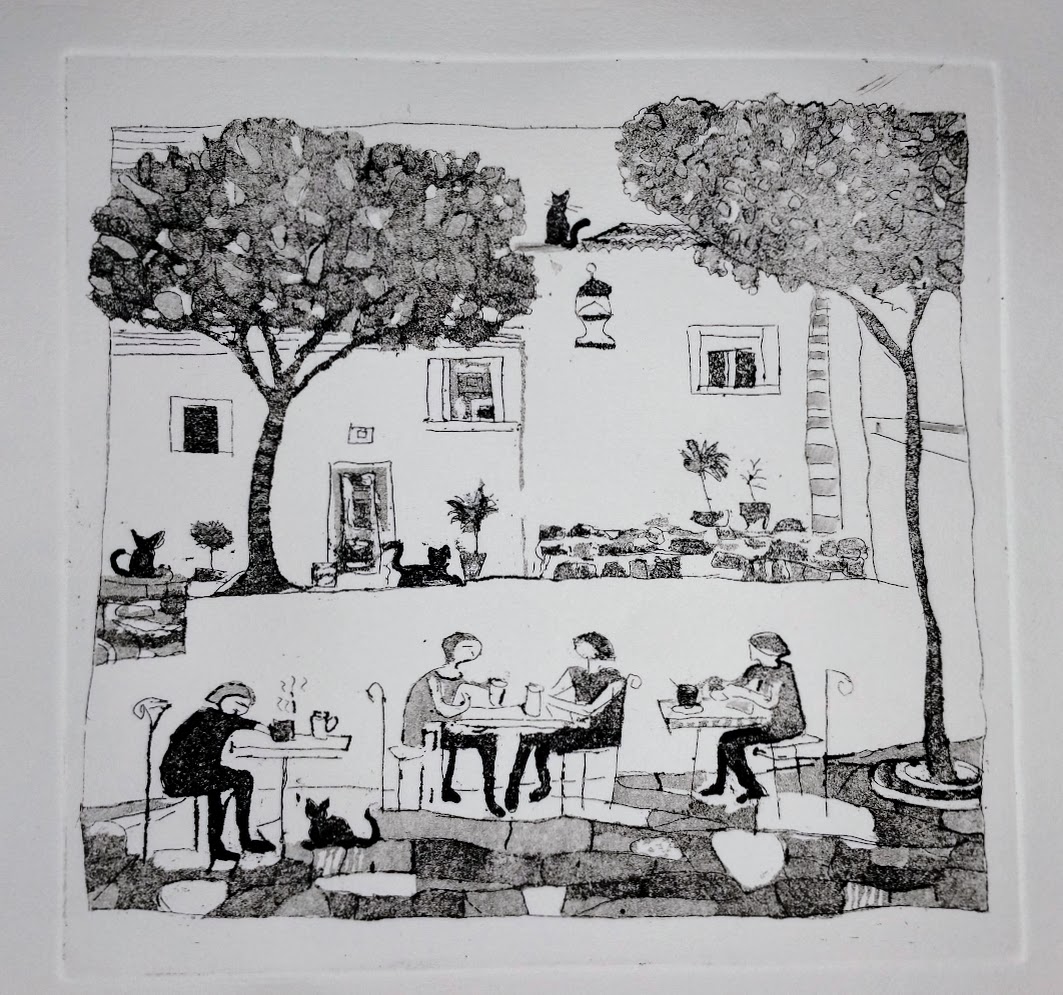
Intaglio & Etching
Master the ancient art of incised printing, where lines are carved into copper plates to create rich, detailed impressions with remarkable tonal depth.
Overview
Intaglio is a family of printmaking techniques in which the image is incised into a surface. In intaglio printing, the incised areas hold the ink, and the surface is wiped clean before printing.
The word 'intaglio' comes from the Italian word 'intagliare', meaning 'to incise'. This technique has been used since the 15th century and remains a cornerstone of fine art printmaking.
Origins & Evolution
Intaglio printing originated in Germany during the 1430s. Artists quickly adopted this technique for reproducing images with incredible detail and tonal range. Master printmakers like Albrecht Dürer and Rembrandt elevated intaglio to a fine art form, creating works that remain influential today.
Key Characteristics
Rich, velvety blacks and subtle tonal gradations
Distinctive plate mark around the printed image
Ability to achieve extremely fine detail
Each print is unique due to hand-wiping
Creates embossed texture on paper
Suited for both line work and tonal areas
The Process
Prepare the Plate
A copper plate is polished and degreased to create a smooth working surface for the design.
Create the Image
Lines are incised using etching with acid, drypoint scratching, or aquatint for tonal areas.
Ink the Plate
Ink is applied to the entire plate surface, then carefully wiped so ink remains only in the incised lines.
Print Under Pressure
Dampened paper is placed on the plate and run through a printing press under high pressure.
Work in This Technique
Ready to Learn?
Join our 10-day printmaking retreat on Samos and master this technique with personal guidance in our studio.